Every nature video worth watching in Pantanal — in one place
11 hand-picked clips from real travellers and local creators. No filler, no sponsored fluff.
The Pantanal is the world’s largest tropical wetland, covering roughly 150,000 square kilometres across Brazil, Bolivia, and Paraguay, and the Brazilian portion — concentrated in Mato Grosso do Sul — holds the highest density of accessible wildlife of any destination in South America. The critical ecological fact is that the Pantanal floods and drains annually: when the water drops from June onwards, it creates open river beaches where jaguars hunt caiman, capybaras, giant river otters, and catfish in plain sight from a boat. This seasonal mechanics is why timing matters more here than almost anywhere else in Brazil — arrive in the wet season (November to April) and the landscape is flooded grassland with fewer jaguar sightings; arrive from May to September and the beaches open. The Pantanal also holds more than 240 species of fish and hosts the jabiru stork — the largest flying bird in the Americas — as a visible landmark in almost every lodge’s surroundings.

The “Animals of South America: Exploring Pantanal Wildlife” video focuses entirely on species observation and behaviour, making it the right starting point for understanding what wildlife you are actually likely to encounter and at what time of day. The “5-Day Itinerary: Pantanal” video shows the wildlife in the context of a real trip, including honest days when sightings are thin. Pair these two: the wildlife-focused video for species education, the itinerary video for expectation management — understanding both what is possible and what a normal day actually looks like is what separates a well-planned Pantanal trip from a disappointed one.
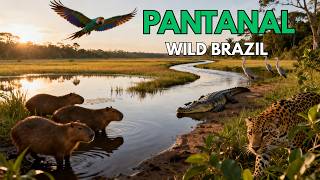
The Irresistible Secret of the Pantanal: The Adventure Senior …
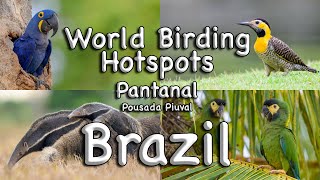
World Birding Hotspots - Brazil. Pantanal - Pousada Piuval
10 Best Places to Visit in Argentina | Ultimate Travel Guide 2026 | …
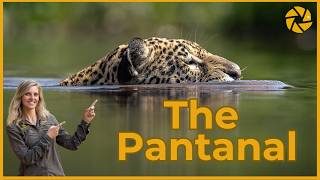
The Pantanal | A Guide for Photographers
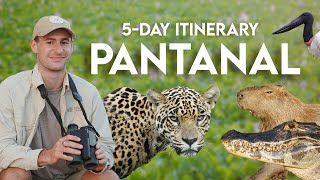
5-Day Itinerary: Pantanal (Jaguar Safari in Brazil)
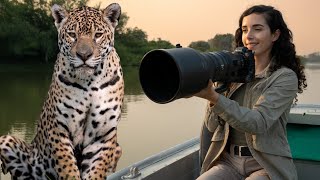
Jaguars of the Pantanal: come with me to explore the world's largest …
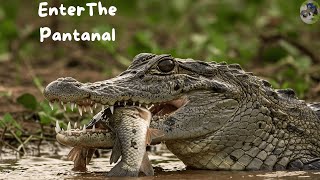
Animals of South America: Exploring Pantanal Wildlife | Dreddphotos …
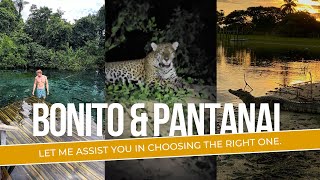
Bonito or Pantanal Which One Should You Choose

Top 10 Incredible Places in Brazil 2026 | Travel Guide

Top 10 Places To Visit in Brazil - Travel Guide

BRAZIL in 2 WEEKS | A full GUIDE on how to see the best of this …
Ask anything about nature in Pantanal — answered from these videos.
Get my answer →