Pantanal: everything YouTube's best creators show you — sorted
18 videos across 3 topics, ranked by what's actually worth your time.
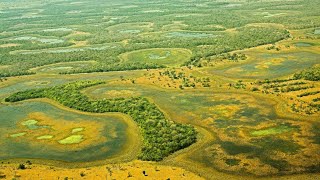
The Pantanal is not competing with Amazonia — it is offering something more legible. Jaguars here hunt openly on river banks because the annual flood cycle creates wide sandy beaches where they can be observed from a boat, at close range, in daylight. That single ecological fact is why wildlife photographers treat this wetland, covering parts of Mato Grosso do Sul and Mato Grosso states, as the most productive big-cat destination on the planet. Everything else follows from it.

The southern Pantanal, accessed via Campo Grande, is the principal tourism corridor. From the state capital, travellers drive roughly 320 km along BR-262 toward the towns of Aquidauana and Miranda, then continue on well-maintained dirt roads during the dry season to reach the safari lodges. The full journey takes five to seven hours depending on conditions — factor that into an itinerary.
The lodges themselves sit inside vast private ranches — fazendas — and they structure the experience. Expect daily tours of three to five hours, boat excursions on rivers and lagoons, and trails of varying difficulty. The jaguar tour is a separate, costlier add-on: a car transfer to the river, then a guided skiff into the relevant park sector. Most posadas can arrange it through local operators.
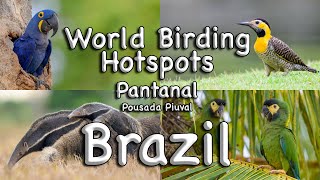
Beyond jaguars, the species list is genuinely dense: capybaras, caimans, giant otters, over 240 fish species in the main river channels, hyacinth macaws, and jabiru storks — the largest flying bird in the Americas and the unofficial mascot of the region. One creator found meaningful wildlife simply walking the lodge grounds between scheduled activities, which suggests building unstructured time into the itinerary rather than packing every slot with tours.
The dry season — May to September — is the only viable window for most visitors. Water levels drop from June onwards, opening the sandy river beaches where jaguars hunt and can be seen clearly from a skiff. Before June, those beaches are submerged. The wet season brings a different landscape and different bird species, and one video notes fewer tourists as a counterpoint, but the physical access via dirt roads becomes unreliable and the iconic open-beach jaguar encounters are simply not available.
Pantanal cuisine is built on freshwater fish, beef from the cattle ranches that share the land with the wildlife corridors, and agricultural produce grown within the region. Lunches at small towns along the route — a hearty Brazilian barbecue in Poconé, for instance — break the long transfer day usefully. At the lodges, meals with local families are a consistent feature; fresh sugar cane juice prepared in small artisanal mills is served during tour breaks, and homemade sweets made from native fruits such as buriti appear regularly. These are not tourist approximations — they reflect what local communities have eaten for generations.
Plan a minimum of one week. Creators converge on this figure: the first two days go on acclimatisation, dealing with heat, humidity, insects, and the five-to-seven-hour transfer; the wildlife sightings compound from day three onwards. A five-day structure — São Paulo entry, one transfer day, three lodge days — is feasible but tight. Skip the temptation to compress it further; the Pantanal is not a destination where half-days in transit yield worthwhile results.
The “5-Day Itinerary: Pantanal” video is the most practical single-watch for logistics — it traces the São Paulo entry, the Cuiabá airport connection, the lodge sequence, and the return journey day by day, with honest notes on cost and physical requirements. “The Irresistible Secret of the Pantanal” takes a slower, more structured approach aimed at travellers with mobility concerns, covering trail accessibility, meal arrangements, and the MS-450 historic road route in detail — useful for anyone who needs that level of planning specificity.
Pair those two with “HOW TO GET TO PANTANAL / WHERE TO STAY” to fill the gap neither covers well: the posada selection decision, how to book the jaguar tour separately, and what to expect on the boat logistics. Together the three videos move you from initial orientation through to day-by-day operational planning, which no single one achieves alone.
Hidden Gems
All 5 hidden gems videos →

Itinerary
All 2 itinerary videos →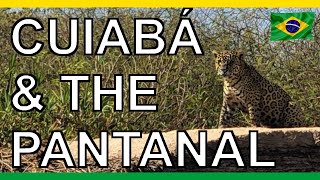
Nature
All 11 nature videos →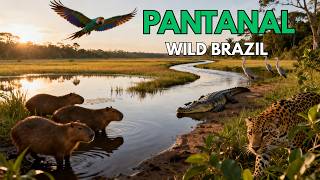
Other cities in Brazil
Turn these videos into a Pantanal day-by-day plan.
Plan my days in Pantanal →