Every temples video worth watching in Japan Overview — in one place
1 hand-picked clips from real travellers and local creators. No filler, no sponsored fluff.
Japan’s temple and shrine landscape spans everything from Kyoto’s Kinkaku-ji (the gold pavilion, built in 1397, covered in real gold leaf) to Nara’s Todai-ji (which houses the world’s largest bronze Buddha at 15 metres, in place since 752 AD) to Nikko’s ornate Toshogu Shrine, whose complexity rewards a full day of exploration. The standard planning mistake is treating temples as interchangeable — in practice, the experience differs sharply between a quiet morning at Fushimi Inari before 8 a.m. (when you can have the lower torii tunnels near to yourself) and the same site at 11 a.m. (peak tourist density, selfie sticks, noise). Multiple creators converge on the early-morning visit as the single most effective move across all Japanese temple tourism. Photography inside temple buildings is typically prohibited; the rules vary by site and are enforced, and one creator flags that this is one of the most common tourist violations.
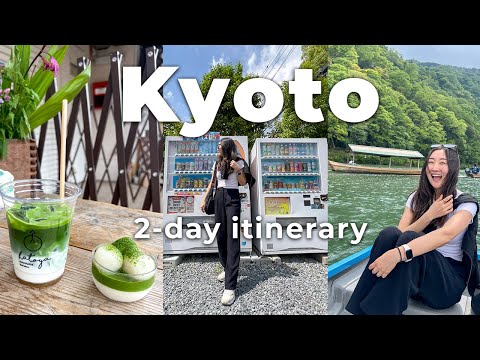
The “Japan Travel Vlog: What’s Actually Worth Doing — Food, Temples, 2026” video takes the most current critical angle on which temple visits justify their time investment and which repeat experiences from the standard guidebook list are genuinely delivering. It is the right single watch to calibrate expectations before going deep on city-specific temple content, since it positions the national temple circuit within a 2026 context. The city-level temple videos in the Kyoto, Nara, and Nikko sections of this site provide the detail that this overview cannot — treat the overview video as the frame, and those as the fill.

Ask anything about temples in Japan Overview — answered from these videos.
Get my answer →