University Study Skills
Study skills for university and college students (ages 18+): research, critical reading, deep work, dissertation, presentations, and career preparation.
Free, always · No sign-upFrom the channels students actually rate — not from the SEO sludge that owns the search results.
The 6 courses in this track — in the order most students need them
Academic Research
Finding and evaluating sources at university level: databases, peer-review judgement, citation managers, and the honest answer to 'is this …
See the course →Career Preparation
Translating a degree into the next role: CV positioning, the final 12 months of strategic study, networks, and the honest comparison between …
See the course →Critical Reading
Reading 40-page chapters and research papers for argument structure, evidence, and position — the structurally different reading approach …
See the course →Deep Work and Time Blocking
Cal Newport's deep-work framework adapted for university workloads: 90-minute focused blocks, calendar discipline, and the honest position …
See the course →Presentations and Public Speaking
Academic presentations under pressure: tutorial discussion, conference talks, vivas, slide design, and handling questions you don't have a …
See the course →Thesis and Dissertation
Practical guide to a long-form research document: proposal, supervisor relationships, chapter drafting, editing versus rewriting, and the …
See the course →Who this track is for
Undergraduate and postgraduate students. The jump from secondary school study habits to university work is larger than most incoming students expect, and the skills that produced good A-level or IB results — broad note-taking, structured revision against a syllabus, working from a textbook — stop being sufficient. University rewards depth over coverage, original engagement with primary sources, and writing that constructs an argument rather than reporting facts. The honest framing is that nobody tells you when your study habits stop working: you discover it when a 2:1 dissertation comes back as a 2:2 because the argument structure was unclear, or when the third year of a STEM degree finally exposes that you never really learned how to read a research paper.
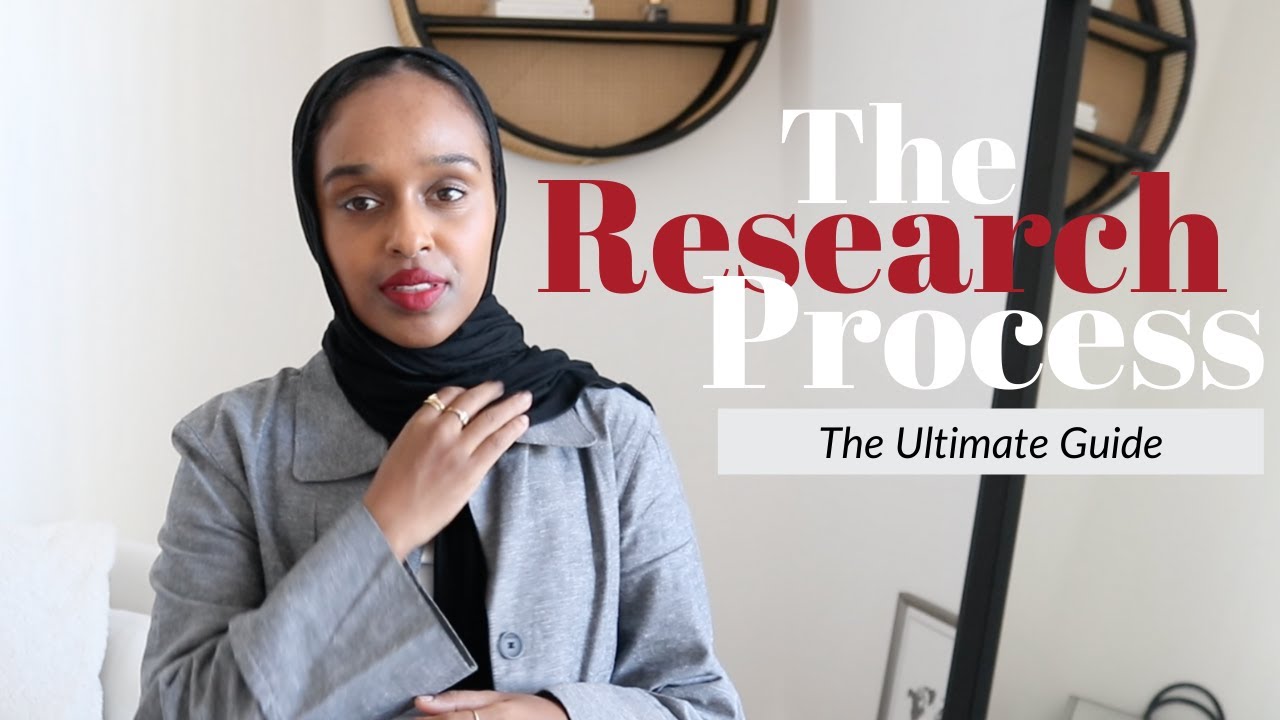
These six courses cover the high-leverage skills: how to actually find and evaluate sources, how to read a long-form academic text without losing the argument, how to do focused work in an environment built for distraction, how to write a dissertation that earns its length, how to present ideas under pressure, and how to translate three or four years of study into the next thing — research, industry, postgraduate work.
What actually changes at this age
University removes almost all of the scaffolding that schooling relied on. At A-level, the syllabus told you what to know, textbooks covered the content, and teachers flagged assessments in advance. University hands you a reading list, a few contact hours per week, and the expectation that you will identify what matters, read beyond the minimum, and form an independent position. Students who were excellent at school because they followed instructions well frequently find this disorienting. The skills that earned them their place are not the skills the degree is about to test.
 How to Prepare for College | How to College | Crash Course
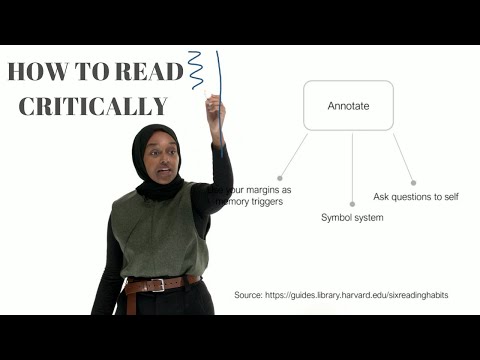 How I Got a FIRST in Every Essay | Critical Reading & Writing …
 How To Do Time Blocking The Right Way.
The other shift is the role of writing. At A-level, an essay demonstrated knowledge — you showed you knew the material and could organise it under time pressure. At university, writing is thinking. Drafting a 3,000-word argument forces you to find out whether you actually understand the relationship between the ideas, and most students discover in first year that they do not understand it as clearly as they thought. This is not a failure of intelligence; it is a failure of a writing process that produces clarity, which most students were never explicitly taught.
What universities and students get wrong at this stage
The most expensive misunderstanding at university is about what “reading” means. Most incoming undergraduates read linearly — start at page one, work through to the end. This approach cannot scale to a university reading list. Reading efficiently at university means reading for argument structure before reading for content: identify the thesis, locate where the evidence is marshalled, understand the conclusion, then decide how much detail in the middle you actually need. Students who never make this shift fall behind on reading within weeks of starting term.
The second consistent failure is treating the absence of deadlines as flexibility. University assignments are set weeks before they are due, and students interpret the gap as permission to start late. The real constraint is that good academic writing requires multiple drafts, and drafting can only happen once the reading has produced a working understanding. Students who start two days before submission are writing a first draft; students who do well submit a third or fourth, which requires starting much earlier than feels necessary at the time.
First-year marking at most universities sends a misleading signal: the pass bar is low enough that poor habits clear it comfortably. Many students discover in second year that the same approach which produced 60% in first year produces 48%, without any obvious change in effort. The students who need this track most are frequently the ones who do not yet know they need it.
The 6 courses in this track
Academic Research Finding, evaluating, and citing primary and secondary sources at university level. Covers the specific databases worth using (Google Scholar, JSTOR, Web of Science, discipline-specific indexes), the difference between a peer-reviewed paper and a working paper, citation manager workflows in Zotero or Mendeley, and the honest answer to “is this source good enough” — which is usually “compared to what?”.
Critical Reading Reading a 40-page chapter or a research paper and coming out with a useful summary, an argument map, and a position on the author’s claims. The reading approach that works at university is structurally different from school reading: you read for argument structure first, evidence second, and only then for detail. The course covers the methods for each.
Deep Work and Time Blocking Cal Newport’s deep-work framework adapted for university workloads. Covers the specific time-blocking pattern that survives a teaching timetable, how to protect the 90-minute focused blocks that produce the actual learning, why “I’ll do it when I feel ready” is the most expensive lie students tell themselves, and the honest position on phone notifications during study.
Thesis and Dissertation A practical guide to constructing a long-form research document — undergraduate dissertation, master’s thesis, or the structure for a PhD chapter. Covers proposal writing, supervisor relationships (the most underrated variable), drafting at the chapter level, the difference between editing and rewriting, and the realistic timeline for a 10,000–15,000-word piece of academic writing.
Presentations and Public Speaking The specific demands of academic presentations: tutorial discussion, conference talks, vivas, and seminar leadership. Covers slide design that doesn’t compete with the speaker, the structure of a 15-minute research talk, handling questions you don’t have a clean answer to, and the practical work of building presence as a speaker who is younger than the room.
Career Preparation Translating a degree into the next role. Covers the LinkedIn and CV positioning that works for graduate roles, how to use the final 12 months of a degree to set up the next step (internships, dissertations chosen for portfolio reasons, networks built through coursework), and the honest comparison between industry, postgraduate study, and a research path.