Every traditional culture video worth watching in Kyoto — in one place
4 hand-picked clips from real travellers and local creators. No filler, no sponsored fluff.
Kyoto’s traditional culture economy runs on tea ceremonies, kimono rentals, and geisha sightings — all of which are available, all of which have authentic and tourist-grade versions, and all of which require some calibration before you pay. The tea ceremony is the most reliably authentic participation option: the experience at Tenryu-ji or in garden teahouses follows rituals that haven’t changed for centuries, and one creator specifically recommends booking on byfood.com to access experiences where the instructor explains what you’re doing. Photographing geisha in Gion is subject to strict community rules — specific streets have bans — and one creator is unambiguous that enforcing these rules by not photographing geisha when you encounter them is a basic condition of being a respectful visitor. The Maikoya experience (samurai museum, tea ceremony, and cultural demonstrations in a single venue) functions as the packaged version for visitors who prefer structure — useful if you’re short on time, less interesting if you have days to find the individual elements.
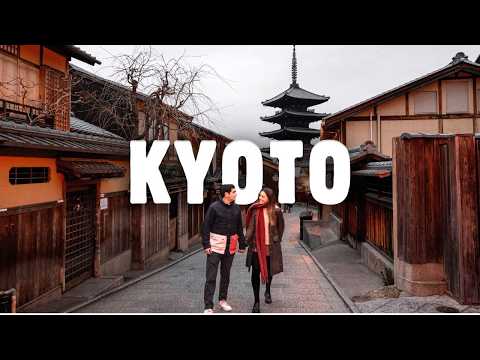
The “5 Days in Kyoto: 20 Things to Do in Japan’s Cultural Capital” video maps the broadest range of cultural participation options in a single watch — it’s the right starting point for visitors who want to move beyond the standard temple circuit into active cultural experiences. The “Kyoto Experiences: Maikoya Tea Ceremony, Samurai Museum” video is the most useful for understanding the packaged cultural venue model and what it provides versus what you’d find by booking individual experiences. Pair these two for the full cultural participation spectrum in Kyoto, from structured to self-directed.
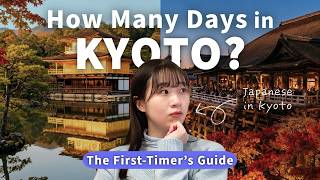
How Many Days in Kyoto for First-Timers? Practical Guide & Itinerary
The SECRET to Enjoying Kyoto 🇯🇵 Things to Do, Eat, and See!
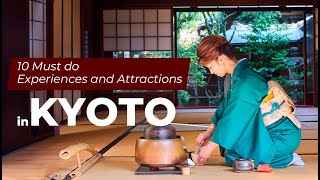
Kyoto Experiences Maikoya Tea Ceremony, Samurai Museum
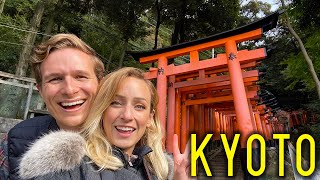
5 days in Kyoto! (20 things to do in Japan's cultural capital)
Ask anything about traditional culture in Kyoto — answered from these videos.
Get my answer →