🇮🇹The complete Italy watch-list
482 curated videos. One plan before you go.
Flights to Italy
videos
Italy eSIM Guide
videos
Travel Insurance for Italy
videos
Amalfi Coast
18 videos
Beaches · Itinerary · Nature
Bologna
13 videos
Cuisine · Hidden Gems
Cinque Terre
26 videos
Hidden Gems · Itinerary · Nature
Italy’s most useful attribute for trip-planners is its legibility: the country divides cleanly into iconic cities, coastal stretches, and rural inland pockets, and high-speed rail connects the three main cities in under three hours. The standard Rome–Florence–Venice loop is not wrong — it simply rewards the traveller who treats it as a skeleton to modify rather than a script to execute. What guidebooks consistently understate is how significantly the experience shifts when you step away from the monuments into a side street for food, or adjust the dinner hour by two hours to match local custom. Italy is not difficult to travel; it is difficult to pace well, and that distinction matters.
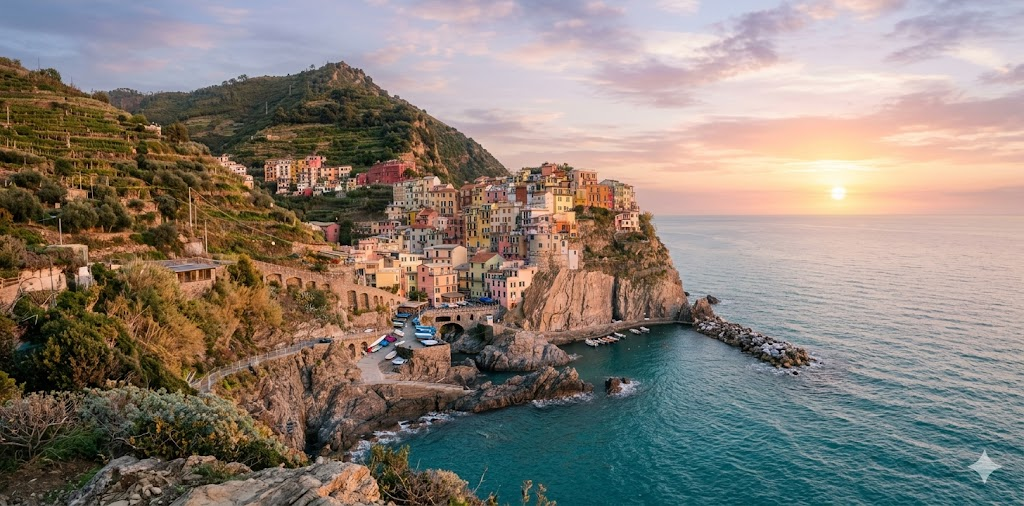
Rome anchors the south and carries 2,000 years in a walkable core. The Pantheon — the world’s largest unreinforced concrete dome — sits minutes from Piazza Navona, a Baroque oval. Trastevere on the western bank offers dinner at a quieter register than the tourist-dense centre.
Florence is smaller and more intimate — the canonical Renaissance setting. The “Rome vs Florence” video is useful for travellers weighing which city deserves more days: it places the two side by side on food, atmosphere, and scale rather than treating them as sequential stops. Venice operates entirely differently: navigation is on foot or by water, the vaporetto is the local metro, and a traghetto provides a cheap crossing.

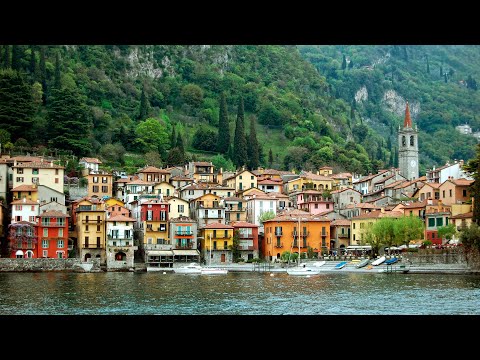

Beyond the triangle, Positano requires almost constant climbing — significant steps at every level — a practical reason to reconsider if walking is difficult. Minori and Maiori on the same coast are a quieter, cheaper alternative. Le Marche inland stays off mainstream itineraries; Urbino’s Renaissance Ducal Palace rivals anything in Tuscany.
Mid-April to mid-June and mid-September are the practical sweet spots where multiple creators converge. Both windows deliver milder temperatures and softer prices — the two variables that determine whether a trip is comfortable or merely survivable. Giada De Laurentiis adds Christmas as a third window — the big cities illuminate in a way that compensates for winter crowds.
The case against August is structural. August is when Italians take their own holidays, so coastal towns become saturated with domestic tourists on top of international arrivals, and restaurant capacity tightens. The catch is that June and September still carry heat on the Amalfi Coast; one creator recommends leaning into the two-hour lunch tradition — staying indoors during peak afternoon hours is itself culturally accurate.
For Rome and Florence specifically, early morning is the correct sightseeing window: major monuments before the crowds, neighbourhood drift in the early afternoon, sightseeing resuming later in the day.
The Italian food map is regional. Rome’s pasta grammar centres on cacio e pepe — vermicelli, black pepper, and Pecorino — which originated here; versions abroad add cream. Antipasti — prosciutto, mortadella, salami — are cultural starters.
Florence’s signature is bistecca alla Fiorentina, served on the bone with cartilage treated as the most precious part. The “Inside a Florence Steakhouse” video manages portion expectations: a table-sharing dish where cuts near the bone are what locals prioritise.
Aperitivo is a structural feature of the dinner schedule. Between 6 and 8 p.m., locals take a drink with small bites; dinner doesn’t begin until 8 p.m.. Sitting down at 5:30 p.m. marks a tourist. In Venice, cicchetti — small toasts with fish or cured toppings — are the correct aperitivo food.
The “Ten Tips to Eat Like a Local” video covers structural behaviour — where to stand at a bar, when a cover charge applies — that dish-focused videos skip. Pair it with “15 Foods to Eat in Rome” to answer how and what before arrival.
Ten days is the minimum for Rome, Florence, and Venice without forcing daily double-moves; the practical split is three days Rome, two Florence, two Venice, with remaining time for a coastal side trip. Book high-speed train tickets in advance — fares are materially cheaper early. In cities, renting a car is actively wrong: ZTL restricted zones carry automatic fines.
One creator’s heuristic for families is sound: if travelling with young children, base outside the main cities; the sensory volume in Rome overwhelms small children, and the historical register rewards older ages. Adults who chase every monument in every city leave exhausted — staying longer in fewer places is the consistent counter-advice.
Pair “Only Way to Visit Italy” with “Planning Italy? Here’s What You Must Know” — the former identifies inland regions that cut accommodation costs sharply; the latter handles booking sequencing, etiquette, and pacing logic that budget videos skip. Together they answer the financial and behavioural questions before departure.
The set splits across two registers. The logistics register — “Give Me 12 Minutes” and “Planning Italy? Here’s What You Must Know” — covers transport, cultural rules, and seasonal windows. The food register — “Ten Tips to Eat Like a Local,” “15 Foods to Eat in Rome,” and “Inside a Florence Steakhouse” — handles behaviour at the table and what to order. Pair “Giada De Laurentiis’ Italy Travel Tips” with the “Rome vs Florence” video: the former gives seasonal preferences and family-travel logic, the latter the comparative city framework that neither delivers alone. What this set covers that guidebooks don’t is cultural timing — when dinner begins, and why a tourist’s schedule and a local’s diverge by two hours.
Florence
43 videos
Architecture · Cuisine · Day Trips
Recommended The Silver Spoon
Check price on Amazon AU →
The Silver Spoon
Check price on Amazon AU →
Italy Overview
176 videos
Architecture · Budget Tips · Cuisine
Milan
29 videos
Architecture · Cuisine · Museums
Naples
24 videos
Architecture · Cuisine · Day Trips
Puglia
27 videos
Architecture · Beaches · Cuisine
Rome
45 videos
Architecture · Budget Tips · Cuisine
Sardinia
15 videos
Beaches · Hidden Gems · Nature
Sicily
27 videos
Architecture · Beaches · Cuisine
Venice
39 videos
Architecture · Budget Tips · Cuisine
More destinations
Want a Italy itinerary built around what you've watched?
Plan my Italy trip →