Granada: everything YouTube's best creators show you — sorted
20 videos across 8 topics, ranked by what's actually worth your time.
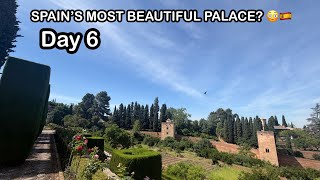
Granada makes one argument above all others: the Alhambra. The Nasrid palace complex on the hill above the city is the most complete surviving example of Moorish architecture in Europe — 14th-century rooms of carved stucco and cedarwood ceilings, courtyard fountains, and a garden system (the Generalife) that has been in continuous use for 700 years. It is, by a meaningful margin, the most visited monument in Spain, and the booking situation reflects that: Nasrid Palaces tickets sell out weeks in advance, and showing up on the day without a reservation means you will see the fortress and gardens but not the interiors. The palace is the reason to come to Granada. Everything else — and there is a great deal of everything else — is structured around it. Spain has an Andalucían triangle of Seville, Córdoba and Granada; this is the apex of it.

The best time to visit is March through June or September through November. Spring brings snow still visible on the Sierra Nevada above the city while the temperatures in town reach 18–22°C — a specific visual combination that no other major city in Europe offers. The free tapas culture (more on this below) means the budget arithmetic in Granada is significantly better than Seville or Barcelona. Avoid August for the same reasons that apply across inland Andalucía: 38–42°C, the city quieter as locals leave, and the Alhambra experience degraded by heat and maximum-capacity crowds.
Three days is the right duration. Day one is entirely structured around the Alhambra: book the first Nasrid Palaces slot (opens 8.30 a.m.) to get the morning light, spend the morning across the palace complex, and use the afternoon for the Generalife gardens and the Alcazaba fortress. This is a full day. Evening: walk down to the city centre and begin the tapas circuit. Day two: the Albaicín — the former Moorish quarter on the hill opposite the Alhambra — deserves a full morning of slow wandering. The Mirador de San Nicolás gives the postcard view of the Alhambra against the Sierra Nevada; arrive at sunrise if you can, because by 10 a.m. it is crowded. The Sacromonte neighbourhood, immediately above the Albaicín, is where Granada’s gitano (Roma) community lives and where the zambra — the local variant of flamenco, performed in cave houses — originates. A cave flamenco show here is a more authentic experience than the tablao circuit in Seville. Day three: the Granada Cathedral and the Royal Chapel (Capilla Real), where Ferdinand and Isabella are buried; the Alcaicería, the former silk market, now tourist shops but architecturally interesting; and a day trip toward the Alpujarras — the white villages on the southern slopes of the Sierra Nevada — if a car is available.
The free tapas system is the most practically significant thing to know about Granada, and it distinguishes the city from every other major destination in Spain. Order a beer or a glass of wine (€2–3) and a plate of food arrives alongside it at no extra charge. The size and quality of the free tapa varies by bar — the better establishments give you a small but genuinely prepared dish, sometimes a mini-raciones of albóndigas, grilled meat, or a slice of tortilla. The correct strategy is to visit four or five bars in an evening, ordering one drink at each, and eat a full dinner for the cost of the drinks alone. The area around Calle Navas and the streets between the cathedral and the Realejo neighbourhood have the highest concentration of good tapas bars. Granada specialities beyond the free tapas system: plato alpujarreño (fried egg, blood sausage, chorizo, and potatoes — a mountain dish from the villages above); and pionono, a small sweet pastry from the nearby town of Santa Fe, available in pastry shops throughout the city.
Neighbourhoods to stay in: the Realejo (the former Jewish quarter, south of the cathedral) for a quieter, more residential atmosphere and easy access to tapas streets; the Albaicín for views and character, with the caveat that the streets are steep and narrow for luggage; the city centre around Gran Vía for transport convenience. Hotel price bands: mid-range in the Realejo or city centre runs €60–100 per night — significantly cheaper than Seville or Barcelona for equivalent quality. A guesthouse in the Albaicín with Alhambra views can be found at €70–120.
The single most important practical note: book Nasrid Palaces tickets the moment your dates are confirmed. The official Alhambra booking site (alhambra-patronato.es) is the only legitimate source — third-party resellers charge significant mark-ups. Tickets at €14–19 depending on slot; the last-entry evening ticket (after 10 p.m. in summer) offers a different, quieter experience but skips the garden areas. Do not buy tickets from anyone at the gate.
Day Trips
All 3 day trips videos →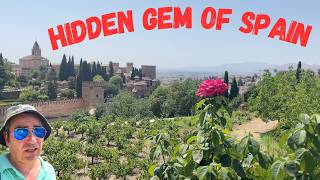


Itinerary
All 5 itinerary videos →


Architecture
All 0 architecture videos →

Art & Museums
All 0 art & museums videos →
Cuisine
All 0 cuisine videos →
History
All 0 history videos →

Markets
All 0 markets videos →Nightlife
All 0 nightlife videos →Other cities in Spain
Turn these videos into a Granada day-by-day plan.
Plan my days in Granada →